Unlocking the Power of Academic Resources: A Guide to Blended Learning Success With great pleasure, we will explore the intriguing topic related to Unlocking the Power of Academic Resources: A Guide to Blended Learning Success. Let’s weave interesting information and offer fresh perspectives to the readers.
Unlocking the Power of Academic Resources: A Guide to Blended Learning Success
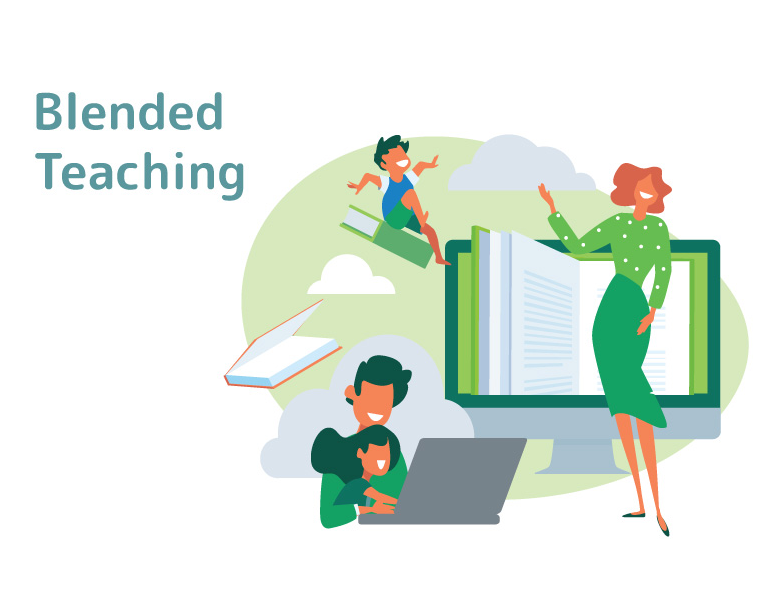
In today’s dynamic educational landscape, blended learning has emerged as a powerful approach, seamlessly integrating online and face-to-face learning experiences. This hybrid model offers numerous benefits, including personalized learning pathways, flexible schedules, and access to a wider range of resources. However, maximizing the potential of blended learning requires careful consideration of the resources available, particularly those found within the academic realm.
This comprehensive guide will delve into the vast universe of academic resources, exploring how to leverage them effectively to support and enhance blended learning initiatives. We’ll provide actionable insights and practical strategies, empowering educators and learners to unlock the full potential of this innovative teaching and learning methodology.
1. The Power of the Library: Your Gateway to Academic Treasures
The library, often perceived as a dusty repository of books, is a treasure trove of resources waiting to be discovered. Modern libraries have transformed into dynamic hubs of information, offering a wealth of academic materials that can significantly enrich blended learning experiences.
a) Online Databases: Accessing a World of Knowledge
Online databases provide access to scholarly articles, journals, books, and research reports, offering a wealth of information on any subject imaginable.
- Actionable Insight: Explore your library’s online database subscriptions, including JSTOR, EBSCOhost, and ProQuest, to find relevant research materials for your blended learning courses.
b) Digital Resources: Beyond the Printed Page
Libraries offer a plethora of digital resources, including e-books, audiobooks, streaming videos, and online courses. These resources can be accessed anytime, anywhere, making blended learning more accessible and engaging.
- Actionable Insight: Integrate library-provided digital resources into your blended learning modules. For example, assign students to watch a documentary film on a specific topic or listen to an audiobook related to the course content.
c) Librarian Expertise: Your Personalized Information Guide
Librarians are information specialists, trained to help students and educators navigate the vast world of academic resources.
- Actionable Insight: Leverage the expertise of your library’s staff. They can help you identify relevant databases, locate specific resources, and develop effective search strategies.

2. Open Educational Resources (OER): A Free and Open Source Revolution
Open Educational Resources (OER) are educational materials that are freely accessible, reusable, and adaptable. This movement has revolutionized education, providing educators with a vast library of high-quality materials that can be easily incorporated into blended learning environments.
a) OER Repositories: A Treasure Trove of Free Resources
Several online repositories host a wealth of OER, including textbooks, lecture notes, videos, and interactive simulations.
- Actionable Insight: Explore popular OER repositories like OER Commons, Merlot, and Creative Commons to find free and open educational resources that align with your curriculum.
b) Adaptability and Customization: Tailoring Resources to Your Needs
OER’s open licenses allow educators to adapt and customize these materials to suit their specific needs and teaching styles.
- Actionable Insight: Modify and personalize OER to align with your learning objectives and student demographics. This allows you to create a truly tailored blended learning experience.

c) Collaborative Creation: Building a Shared Knowledge Base
OER encourages collaboration and knowledge sharing. Educators can contribute their own materials to OER repositories, building a shared pool of resources for the benefit of the entire educational community.
- Actionable Insight: Contribute your own teaching materials to OER repositories, sharing your expertise and contributing to the growing body of open educational resources.
3. Online Learning Platforms: Your Digital Classroom Hub
Online learning platforms, such as Moodle, Canvas, and Blackboard, provide a robust infrastructure for delivering blended learning courses. These platforms offer a wide range of tools and features to facilitate online learning, interaction, and assessment.
a) Content Management: Organizing and Delivering Course Materials
Online learning platforms allow educators to organize and deliver course content in a structured and engaging manner.
- Actionable Insight: Utilize the platform’s content management system to upload and organize learning materials, including lectures, readings, assignments, and quizzes.
b) Communication and Collaboration: Fostering Student Engagement
Online learning platforms facilitate communication and collaboration between students and instructors through forums, chat rooms, and group work tools.
- Actionable Insight: Encourage active participation through online discussions, collaborative projects, and peer-to-peer feedback.
c) Assessment and Tracking: Monitoring Student Progress
Platforms provide tools for creating, delivering, and grading assessments, allowing educators to track student progress and provide timely feedback.
- Actionable Insight: Utilize the platform’s assessment tools to create formative and summative assessments, monitor student progress, and provide personalized feedback.
4. Integrating Academic Resources into Blended Learning
Successfully integrating academic resources into blended learning requires a strategic approach. Here are some practical strategies:
a) Designing a Blended Learning Framework
Start by defining your learning objectives and identifying the specific academic resources that will support those objectives.
- Actionable Insight: Create a clear blended learning framework that outlines the online and face-to-face components of your course and how academic resources will be integrated.
b) Curating Relevant Resources
Carefully curate a collection of academic resources that are relevant, engaging, and accessible to your students.
- Actionable Insight: Use a variety of resources, including scholarly articles, textbooks, OER, videos, and interactive simulations, to cater to diverse learning styles and preferences.
c) Providing Clear Instructions and Support
Ensure that students understand how to access and utilize the academic resources you have selected.
- Actionable Insight: Provide clear instructions on how to navigate online databases, access OER, and use online learning platform tools. Offer support through tutorials, FAQs, and online office hours.
d) Fostering Active Learning
Design activities that encourage students to actively engage with the academic resources you have provided.
- Actionable Insight: Integrate academic resources into group projects, case studies, research papers, and online discussions.
5. Evaluating the Impact of Academic Resources
It’s essential to assess the effectiveness of the academic resources you are using to support blended learning.
a) Student Feedback: Gather student feedback on the usefulness and accessibility of the resources.
- Actionable Insight: Conduct surveys, focus groups, and informal discussions to gather student perspectives on the impact of academic resources on their learning experience.
b) Data Analysis: Analyze data on student engagement, performance, and satisfaction to identify areas for improvement.
- Actionable Insight: Track student participation in online forums, quiz scores, and assignment grades to measure the effectiveness of the resources.
c) Ongoing Reflection and Adjustment: Continuously evaluate and adjust your approach based on student feedback and data analysis.
- Actionable Insight: Be open to feedback and make necessary changes to ensure that the academic resources you are using are meeting the needs of your students and supporting their learning.
Conclusion: Embracing the Future of Learning
Leveraging academic resources effectively is crucial for maximizing the potential of blended learning. By embracing the vast array of resources available, educators can create dynamic, engaging, and personalized learning experiences that prepare students for success in the 21st century. This guide has provided actionable insights and practical strategies to help you unlock the power of academic resources and transform your blended learning initiatives. As we continue to navigate the evolving landscape of education, it is essential to harness the power of these resources to create a more equitable, accessible, and effective learning experience for all.
Closure Unlocking the Power of Academic Resources: A Guide to Blended Learning Success
Thus, we hope this article has provided valuable insights into Unlocking the Power of Academic Resources: A Guide to Blended Learning Success. We thank you for taking the time to read this article. See you in our next article!
Related Articles: Unlocking the Power of Academic Resources: A Guide to Blended Learning Success


Leave a Comment